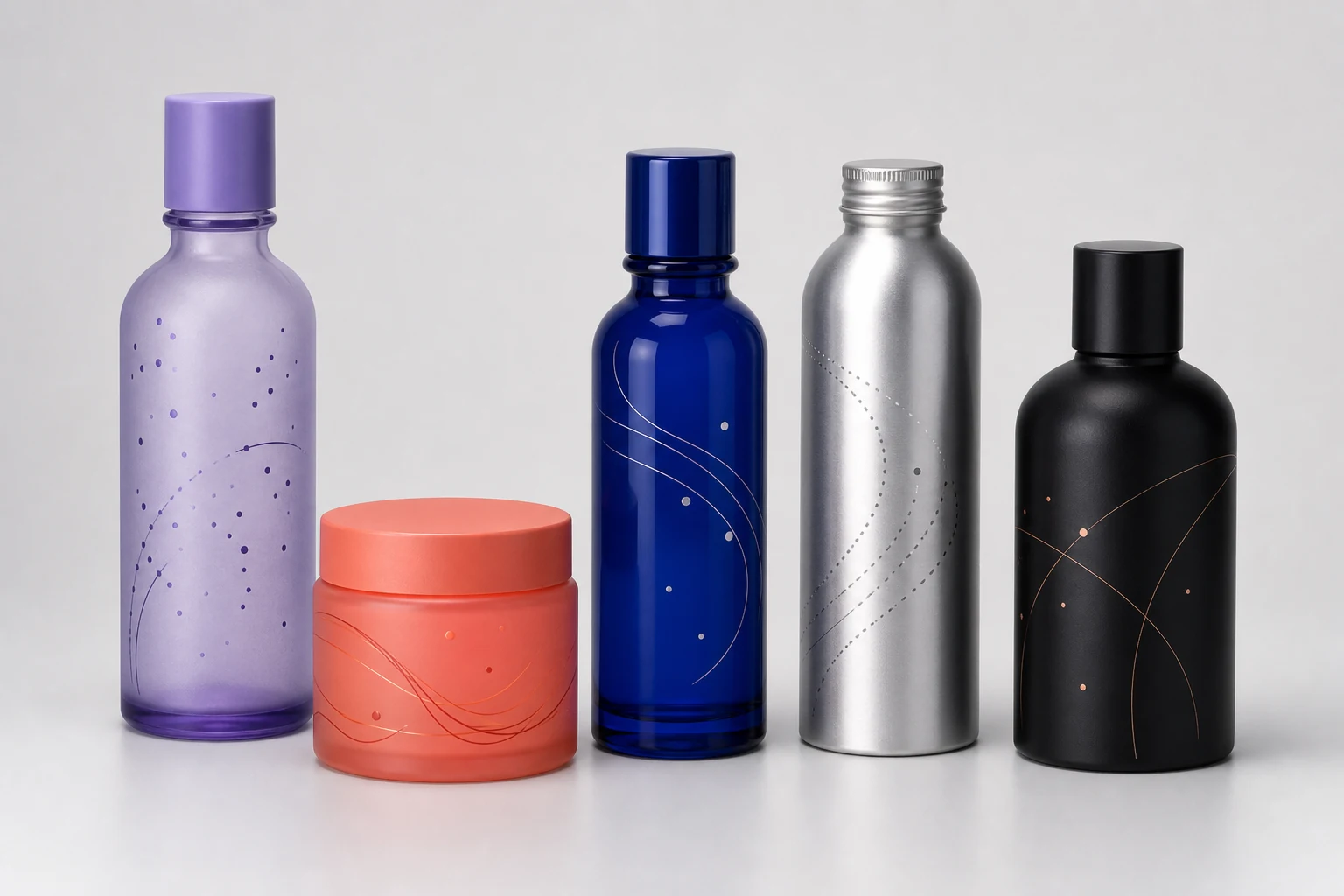
Surface / 4 min
The complete guide to decorating glass and metal bottles and jars
A practical framework for building a package as three coordinated layers: the surface, the printed image, and the connected identity.
Read guidePractical guidance for choosing powder backgrounds, direct print, production color, artwork, testing, and connected identity on glass and metal packaging.
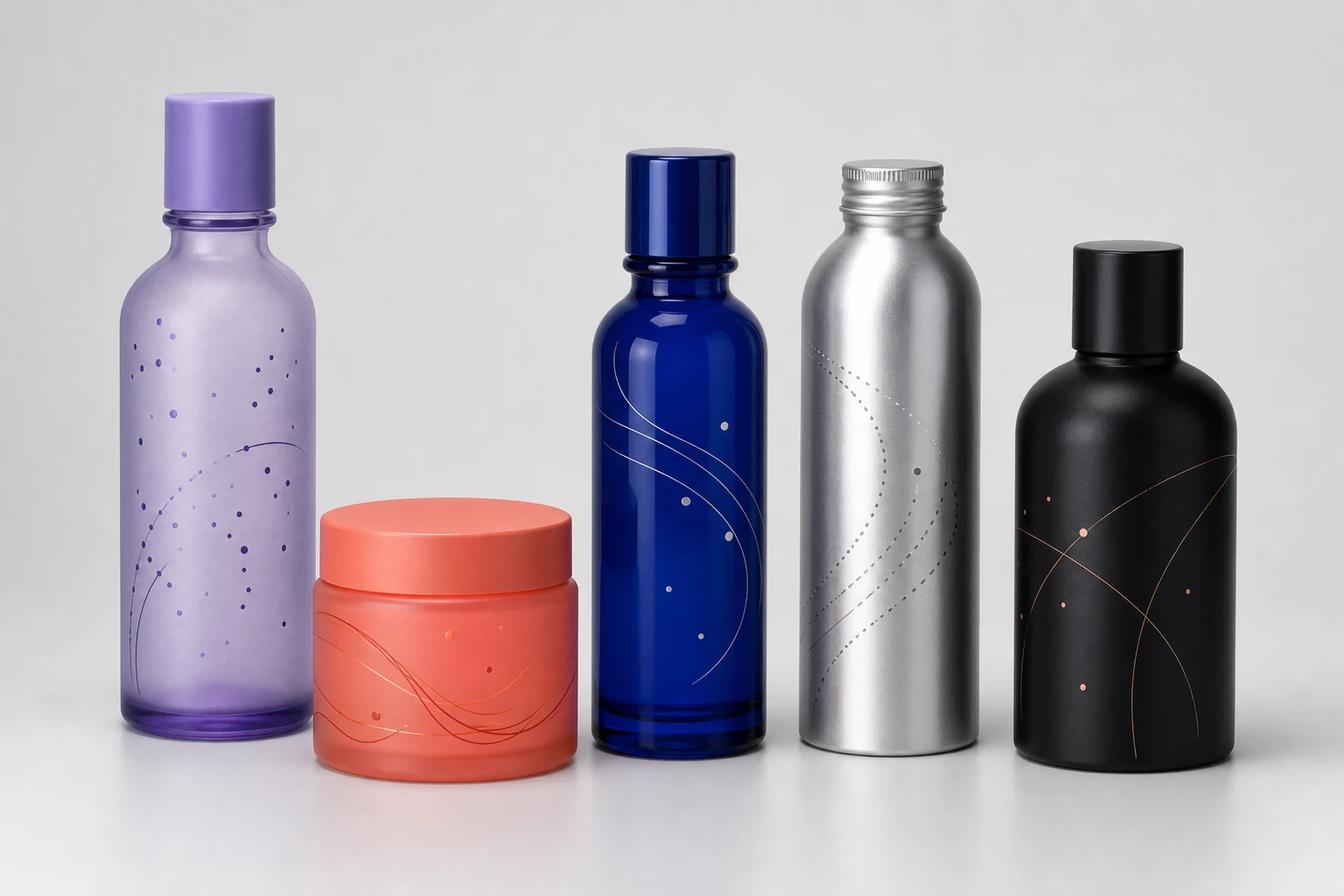
Three clear entry points for understanding the surface, the image, and the production decision.
A practical framework for building a package as three coordinated layers: the surface, the printed image, and the connected identity.
Read guide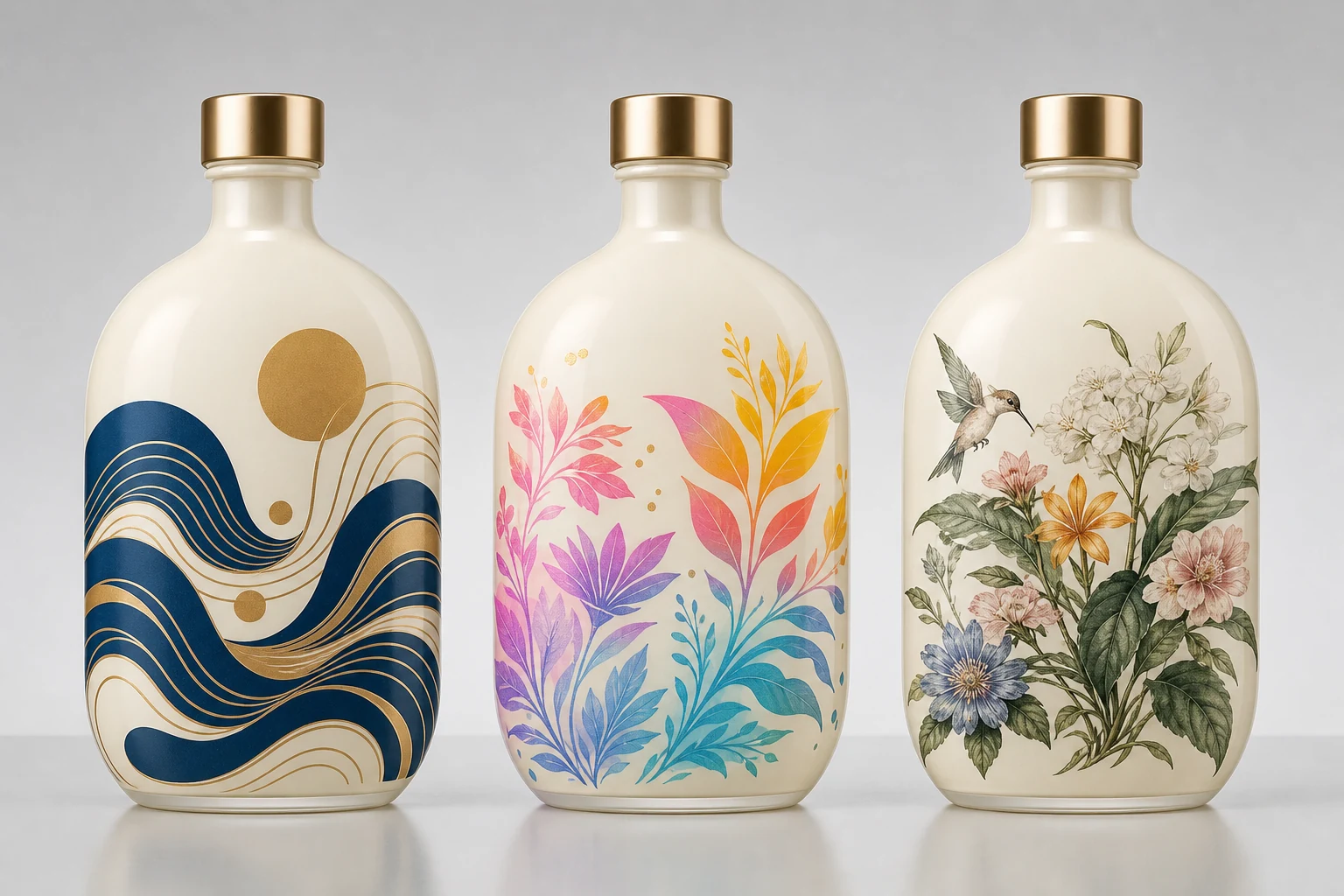
A decision guide for selecting direct decoration by color count, opacity, photographic detail, variability, geometry, and production intent.
Read guide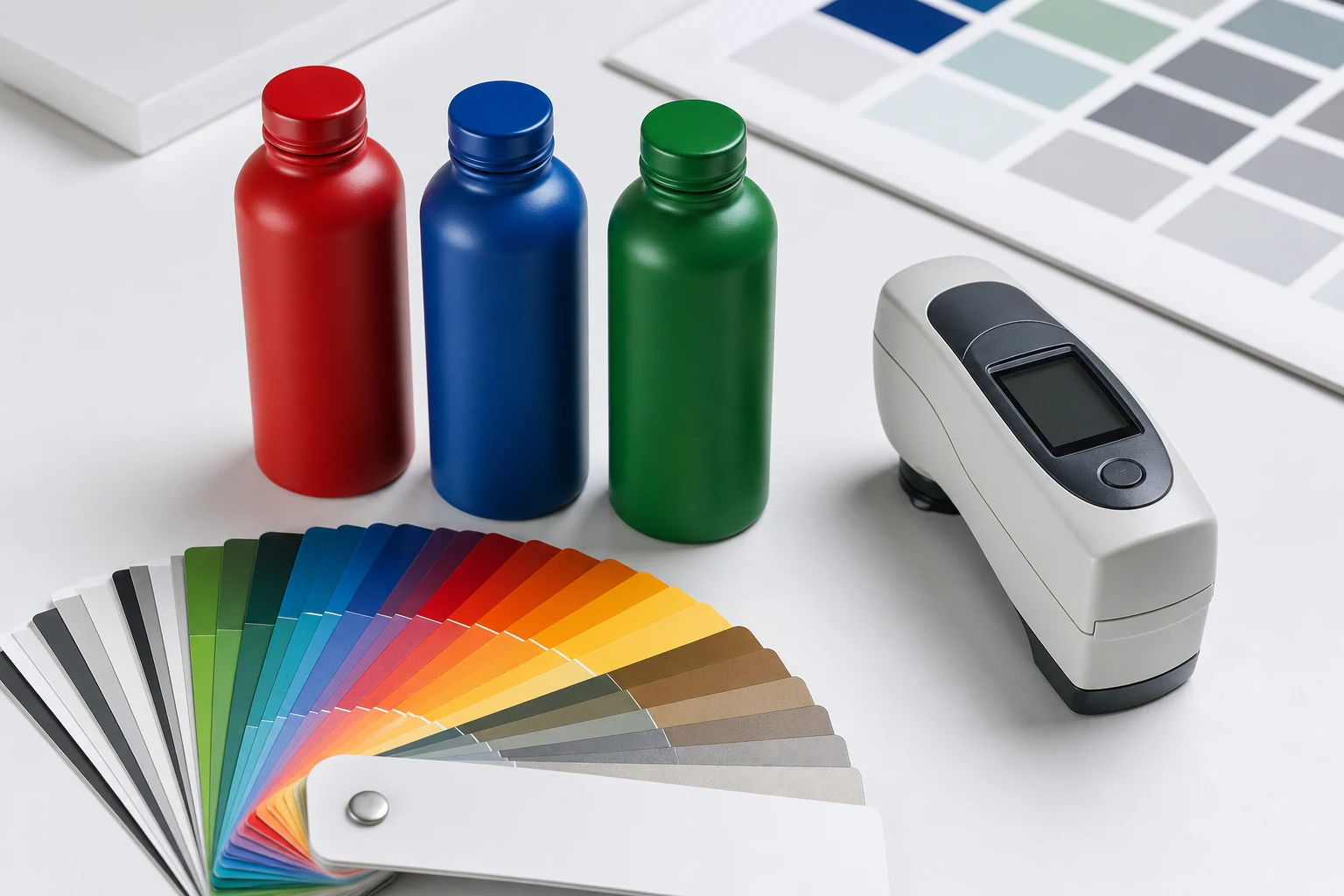
Use RAL as a production target without confusing a named standard, a digital preview, and the final appearance on a curved coated package.
Read guideChoose a substrate, powder background, sheen, and specialty effect with production in mind.
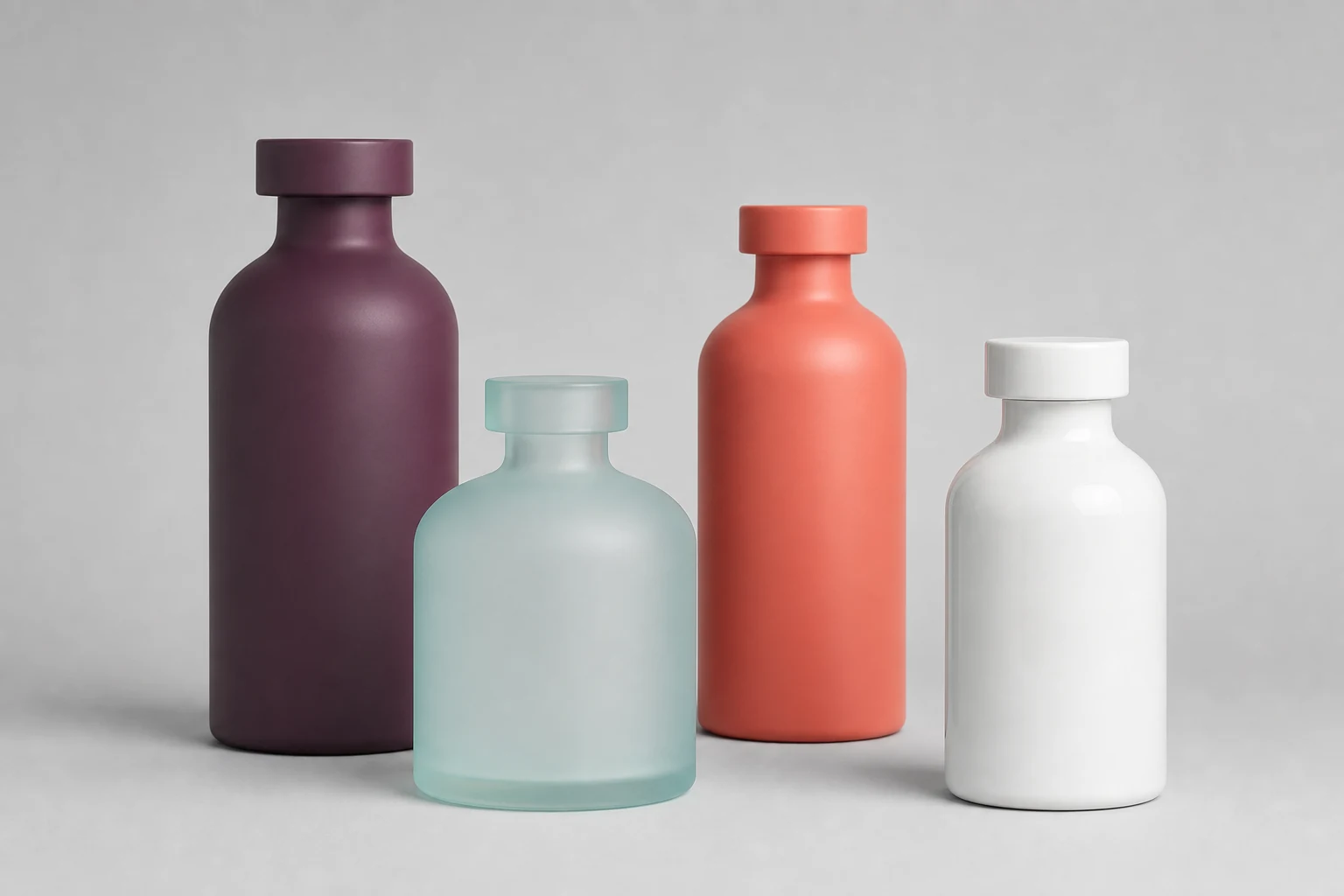
What changes when a dry powder finish is engineered for glass, from surface condition and opacity to cure and production testing.
Read guide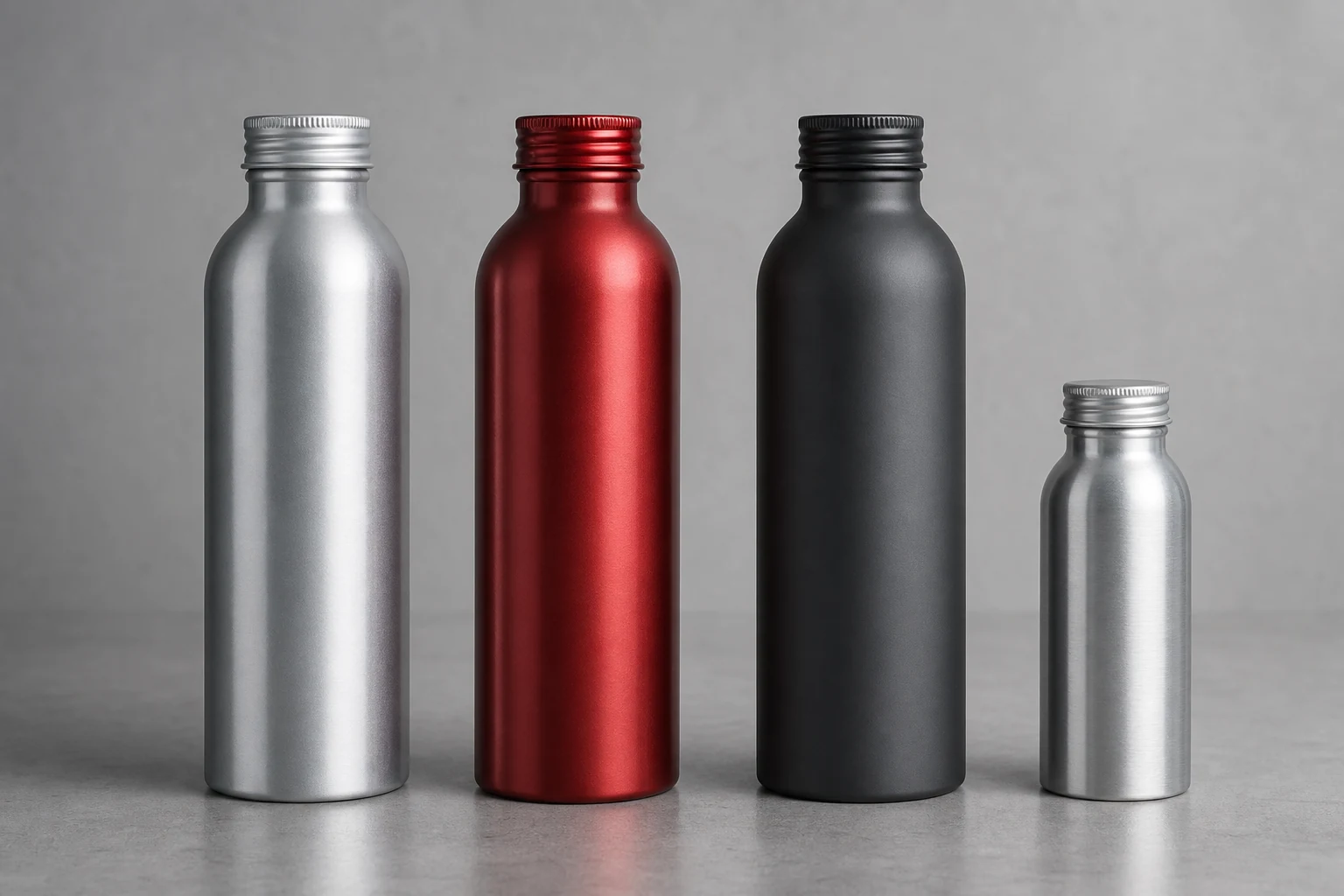
How pretreatment, conductivity, cure, corrosion control, and formed-container geometry shape a metal bottle finish.
Read guide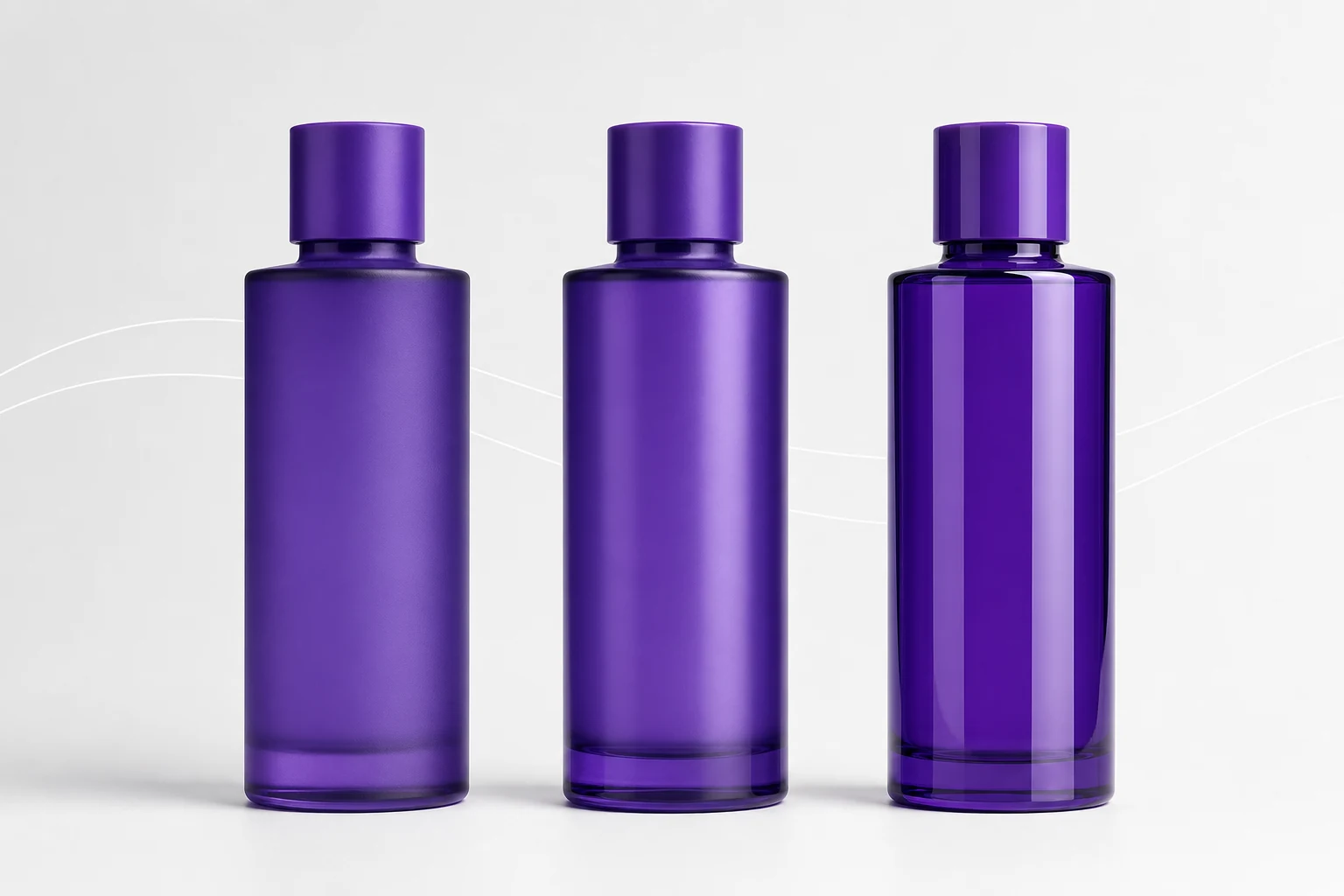
A finish is more than a sheen setting. Compare how matte, satin, and gloss influence color, touch, defects, photography, and printed artwork.
Read guideCompare screen, UV, and high-detail print methods for artwork that lives directly on the package.
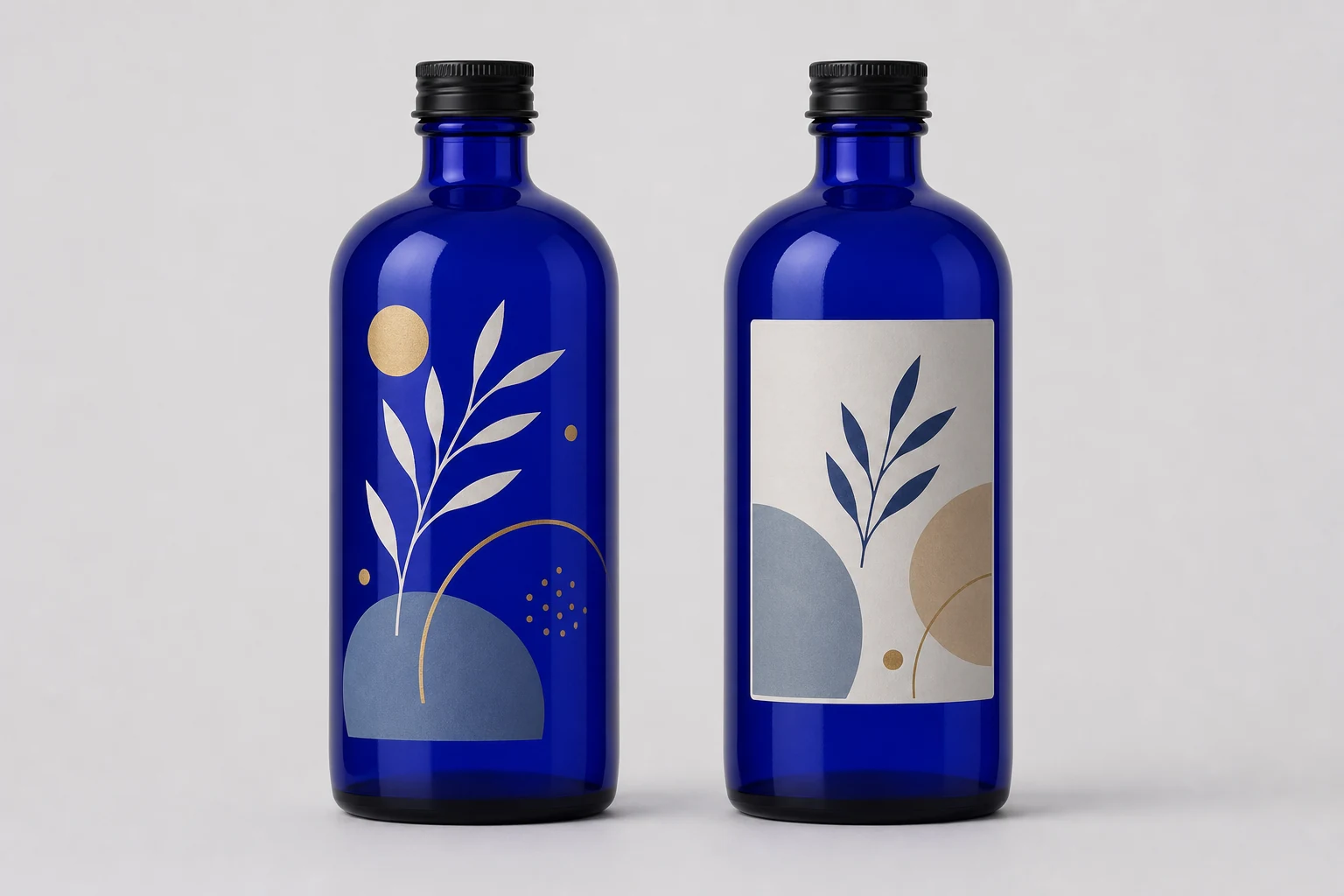
Compare two fundamentally different decoration systems by appearance, durability, artwork, change management, and total project cost.
Read guide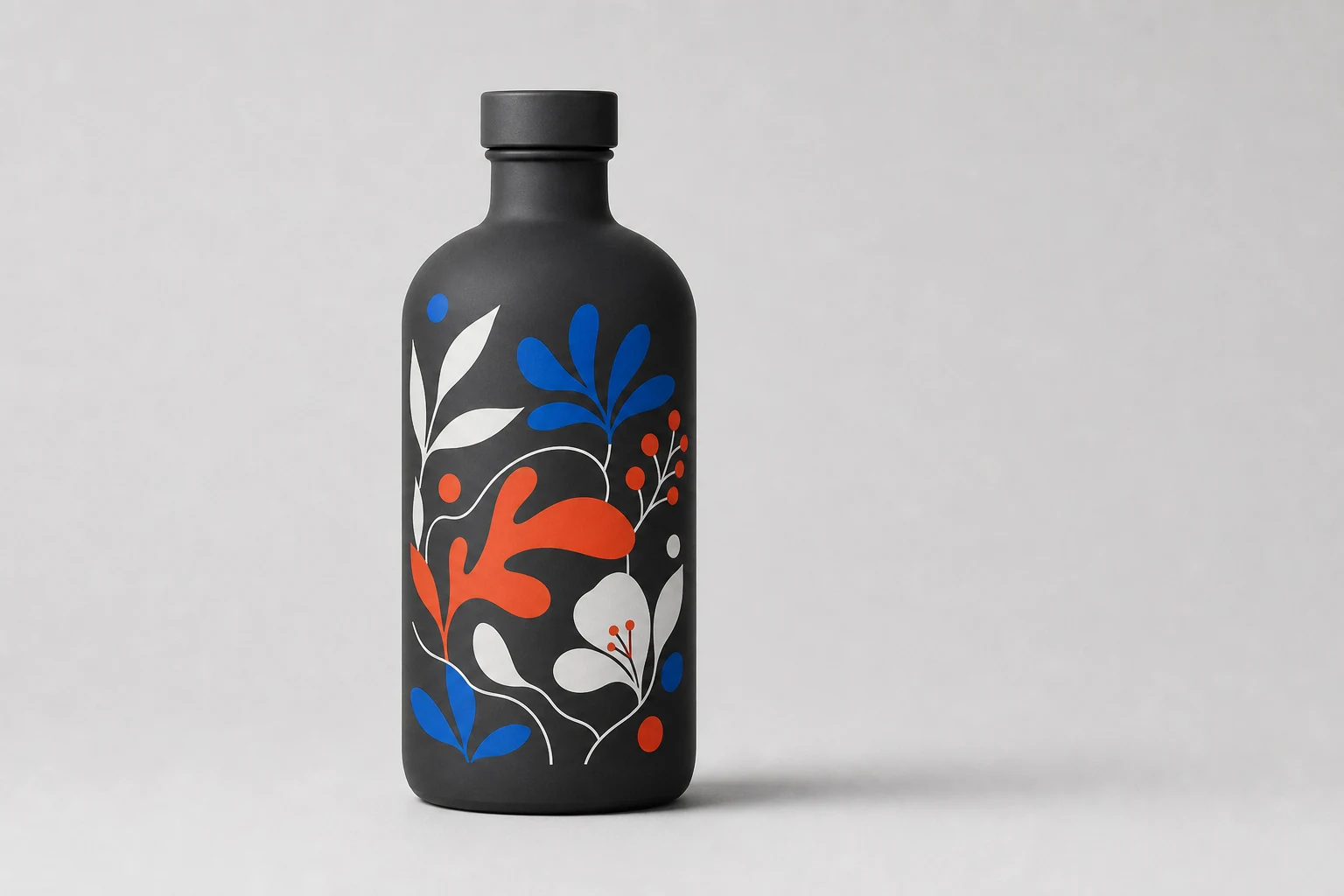
Use three spot colors intentionally, with separations, trapping, line weight, opacity, and the coated background working as one composition.
Read guide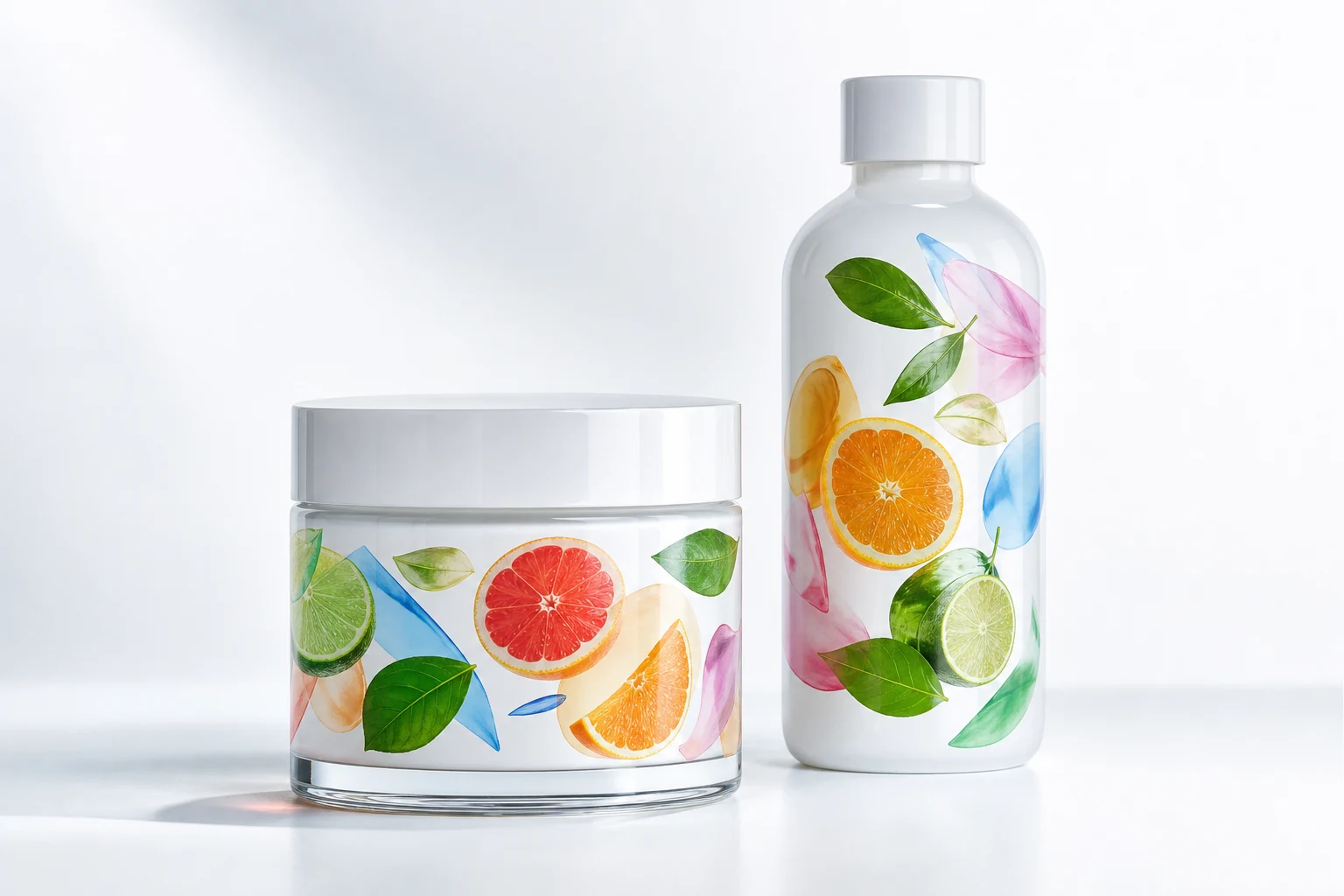
How CMYK, white ink, rotation, curvature, and UV cure combine to place full-color artwork directly on a rigid package.
Read guideMove from a digital concept to a color target and production-ready artwork for a curved surface.
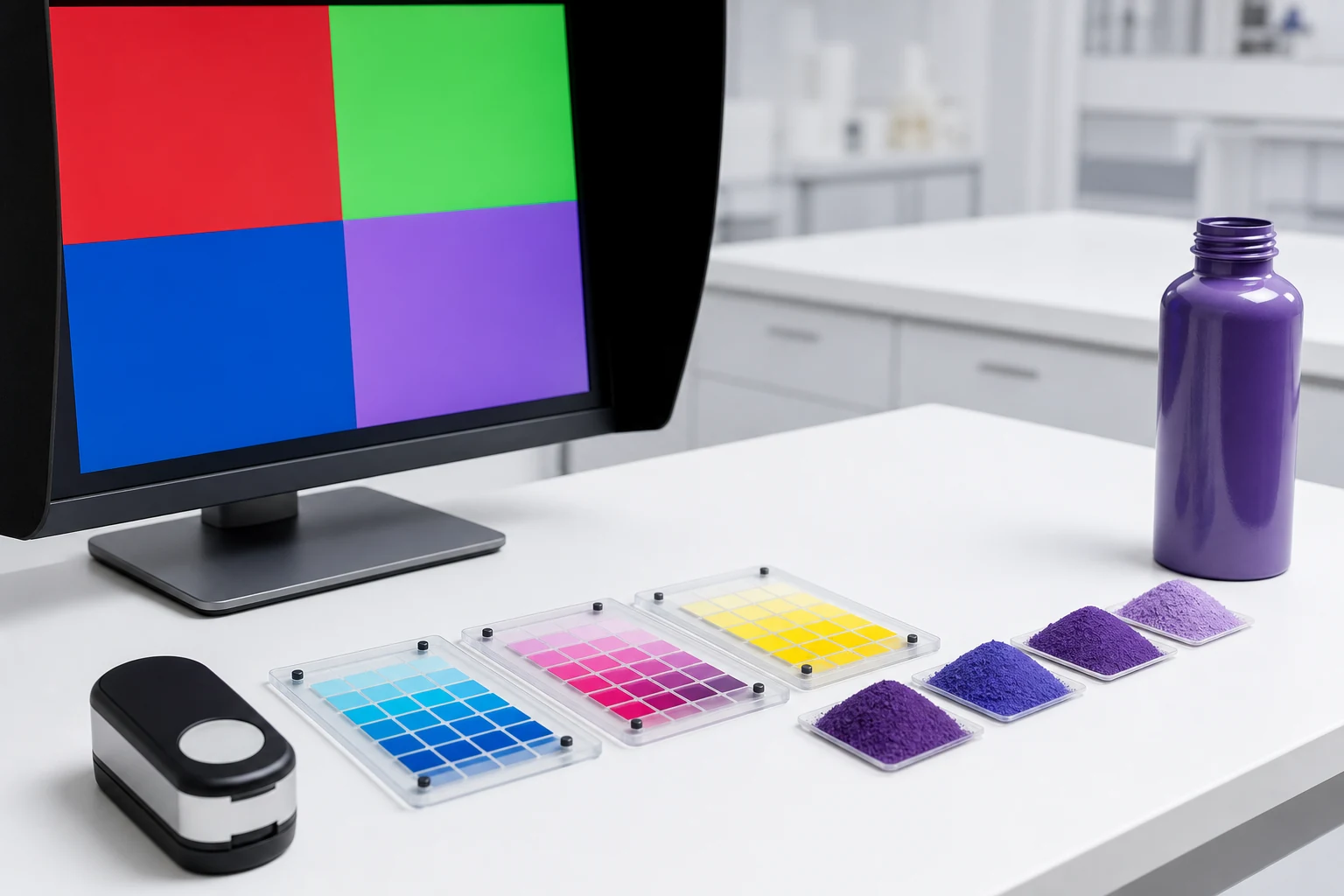
Why digital conversions produce candidates rather than guarantees, and how to turn a screen color or brand standard into an approved powder target.
Read guide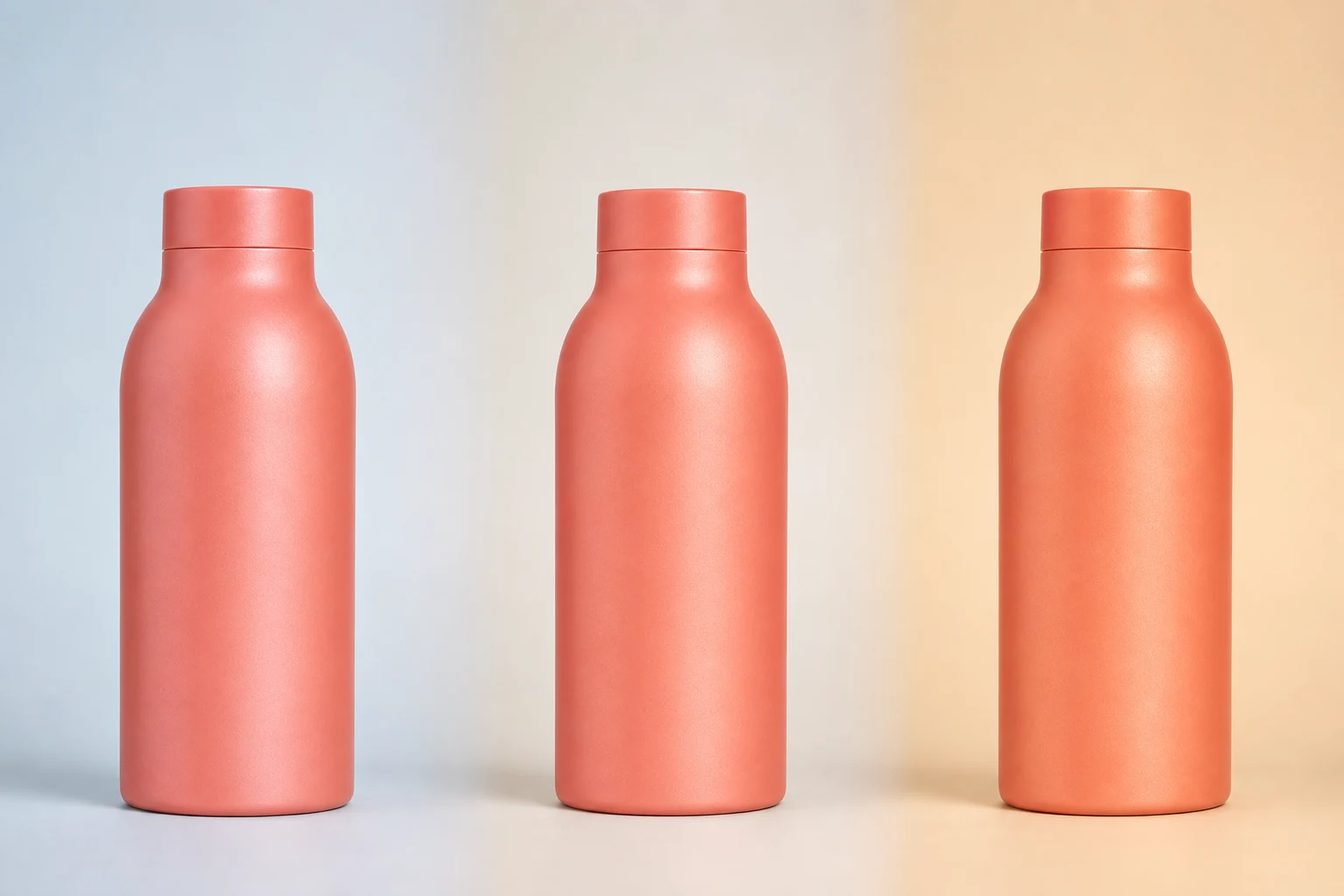
The color value is only one component of appearance. Learn how glass, metal, fill, gloss, texture, and illumination change a package.
Read guide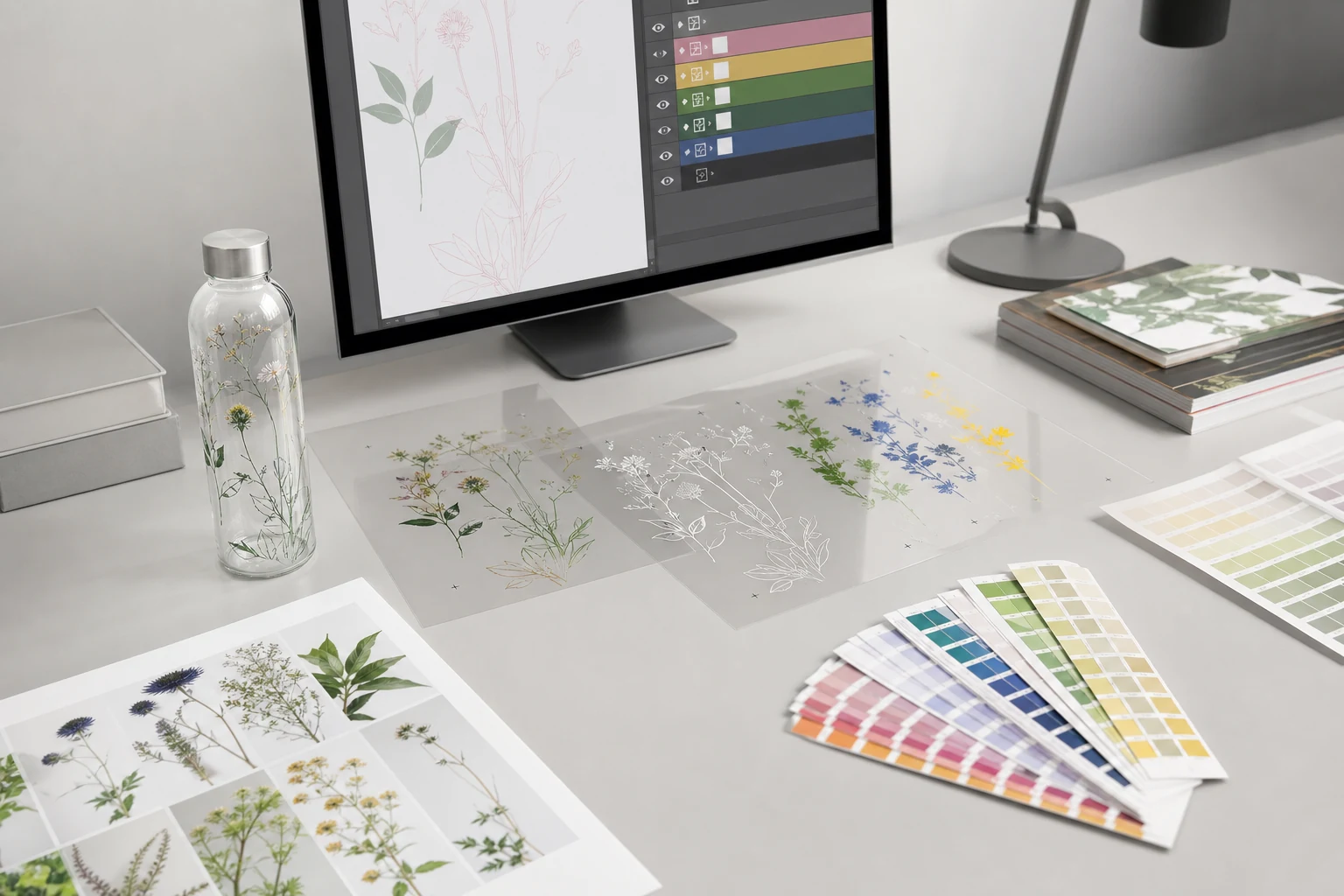
A production-ready file separates vector identity, raster imagery, white behavior, spot colors, and geometry instead of flattening everything into one label image.
Read guidePlan testing, cost, quality, and connected identity before approving a production run.
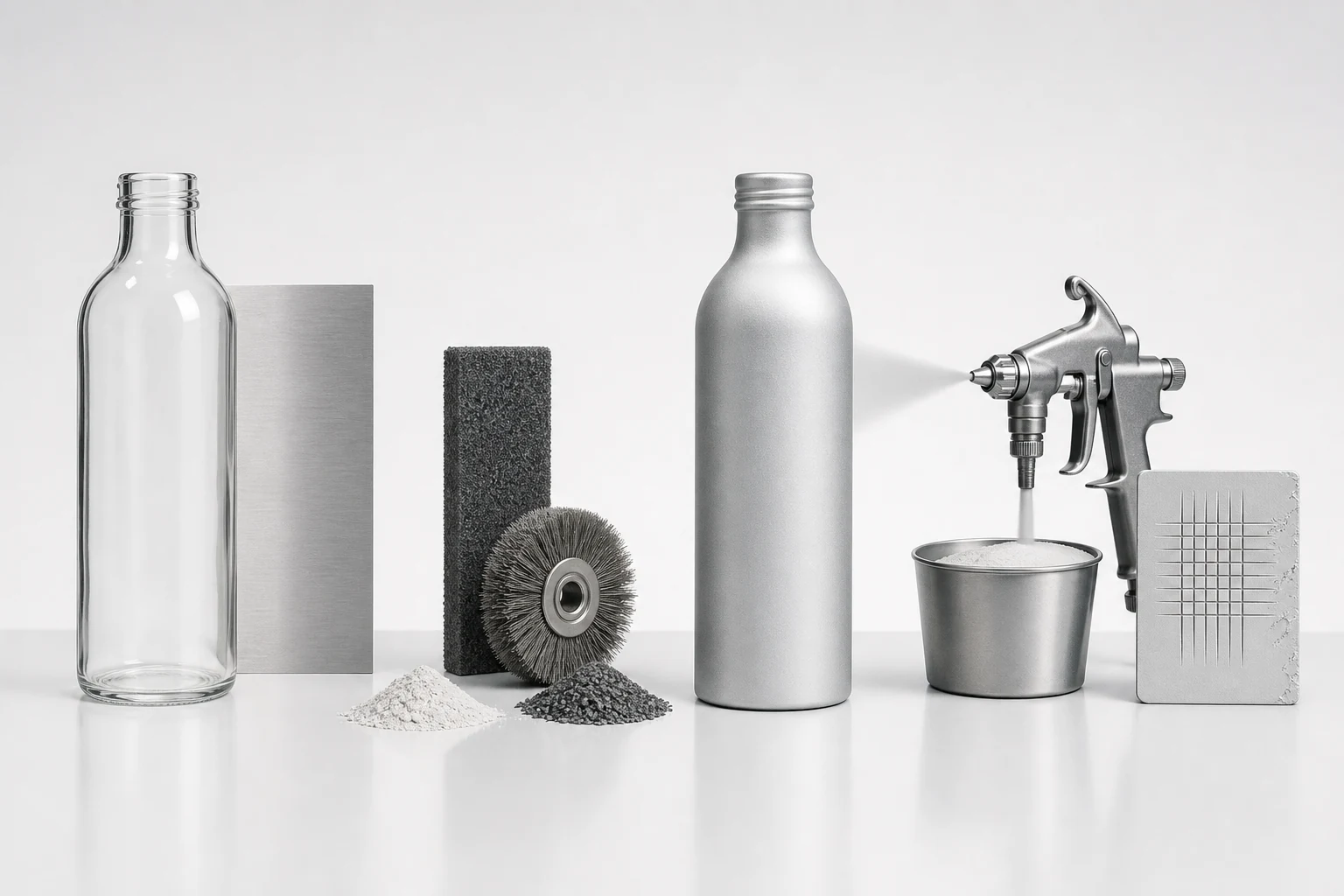
Adhesion is created before the coating or ink reaches the package. Control contamination, pretreatment, cure, and intercoat compatibility.
Read guide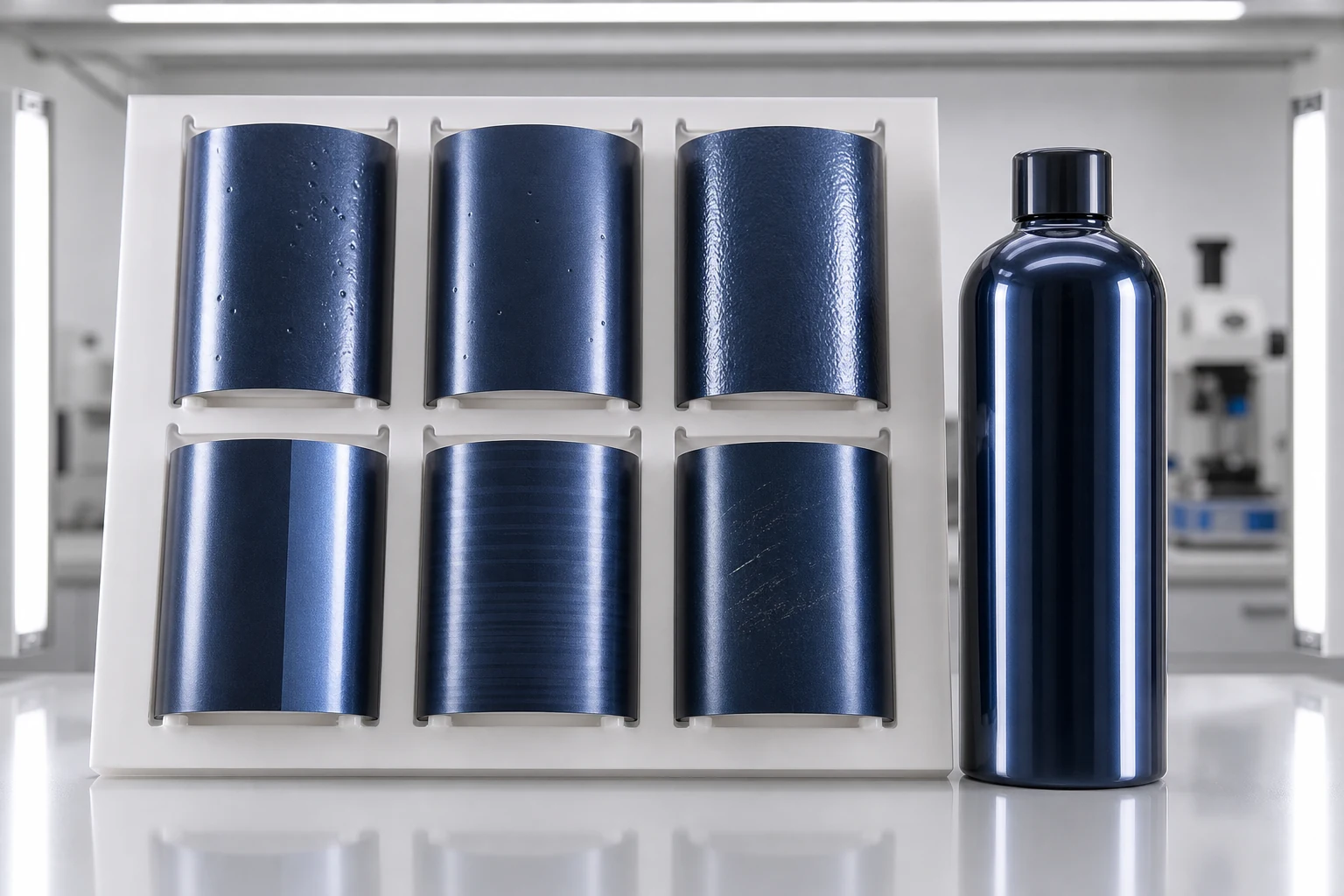
Connect visible symptoms such as craters, pinholes, orange peel, poor adhesion, banding, and registration drift to a disciplined investigation.
Read guide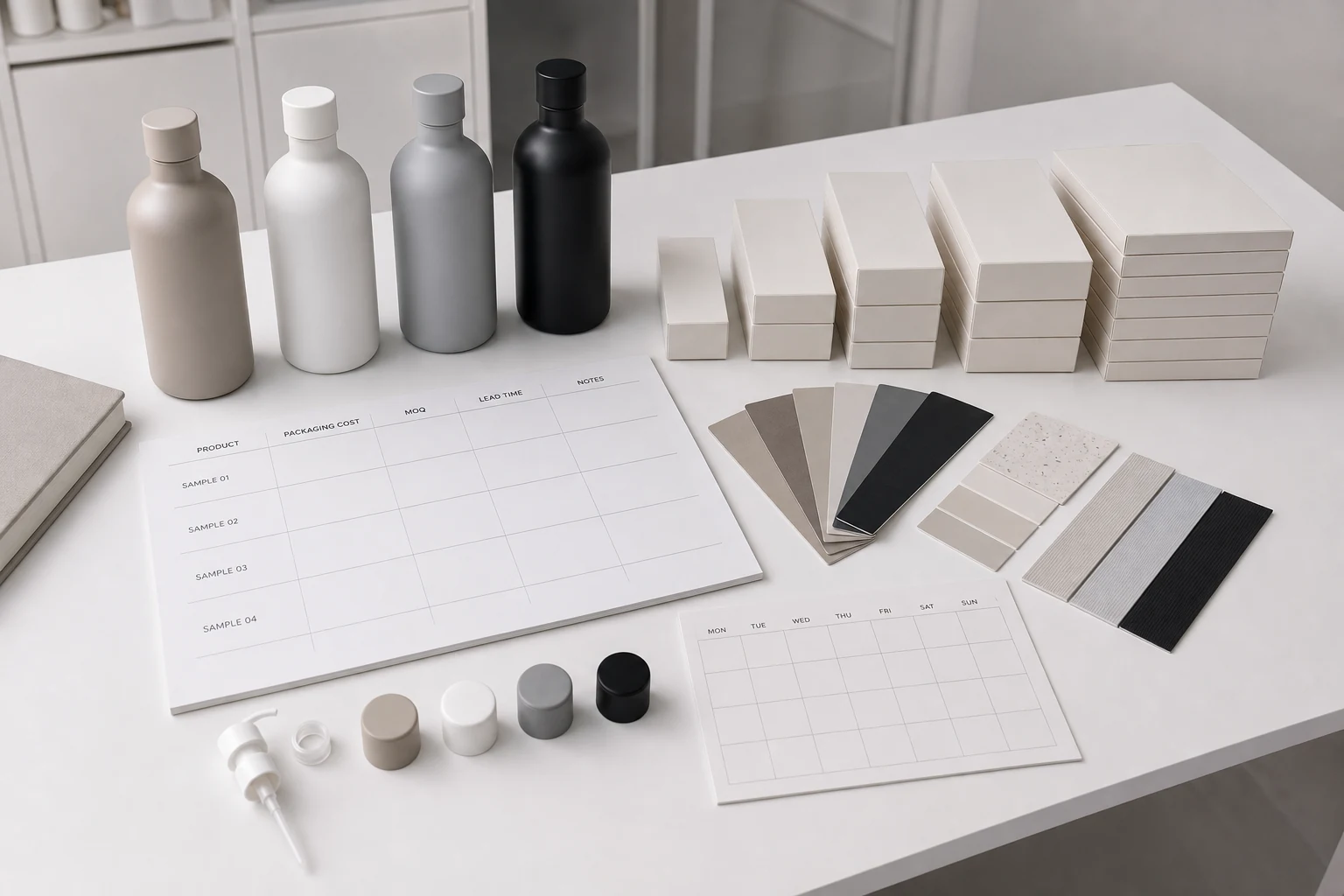
Understand what actually drives a quote without relying on generic per-unit numbers that ignore container, finish, artwork, setup, and inspection.
Read guideBuild a glass or metal package with a selected powder effect, direct-print artwork, and optional connected QR identity.