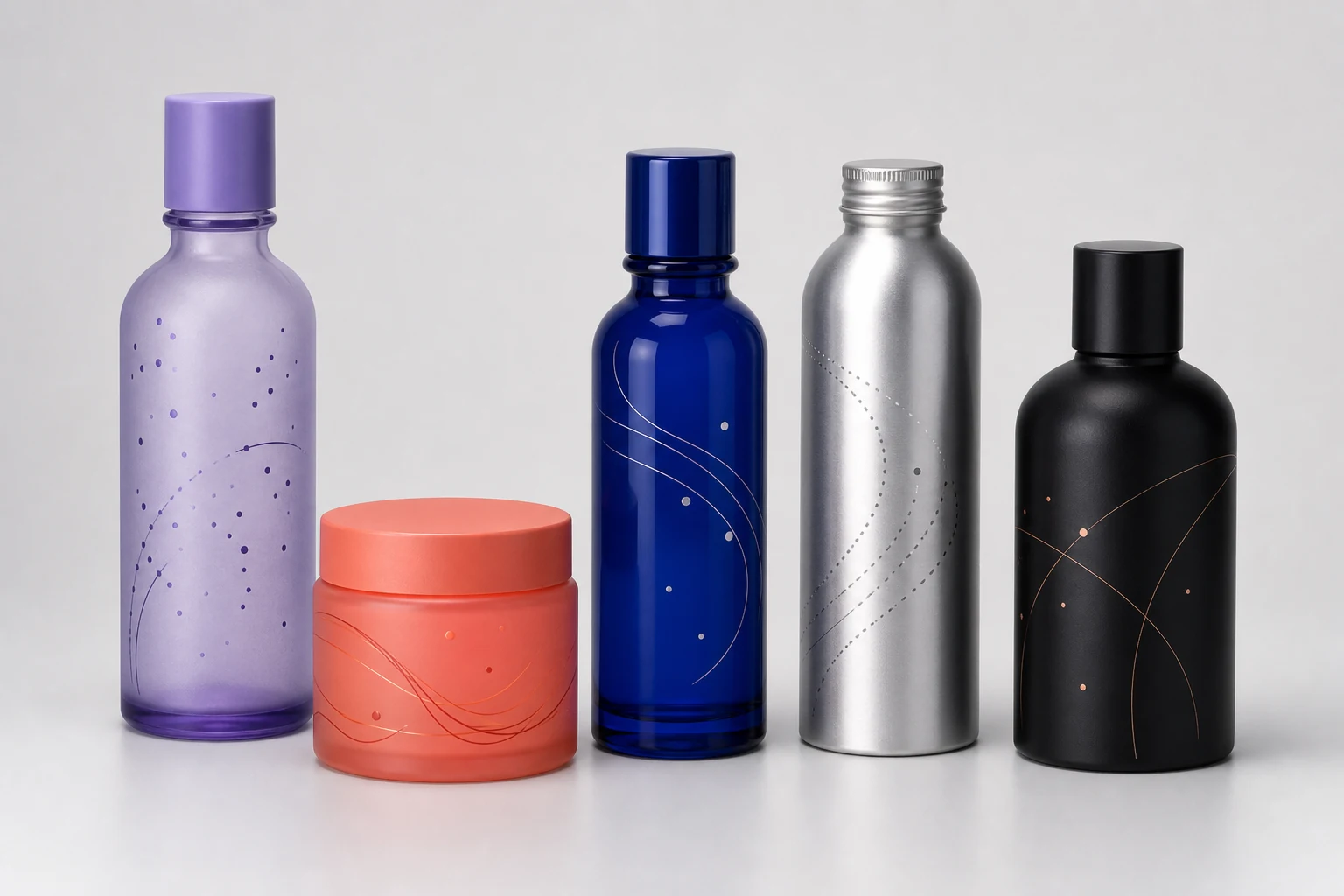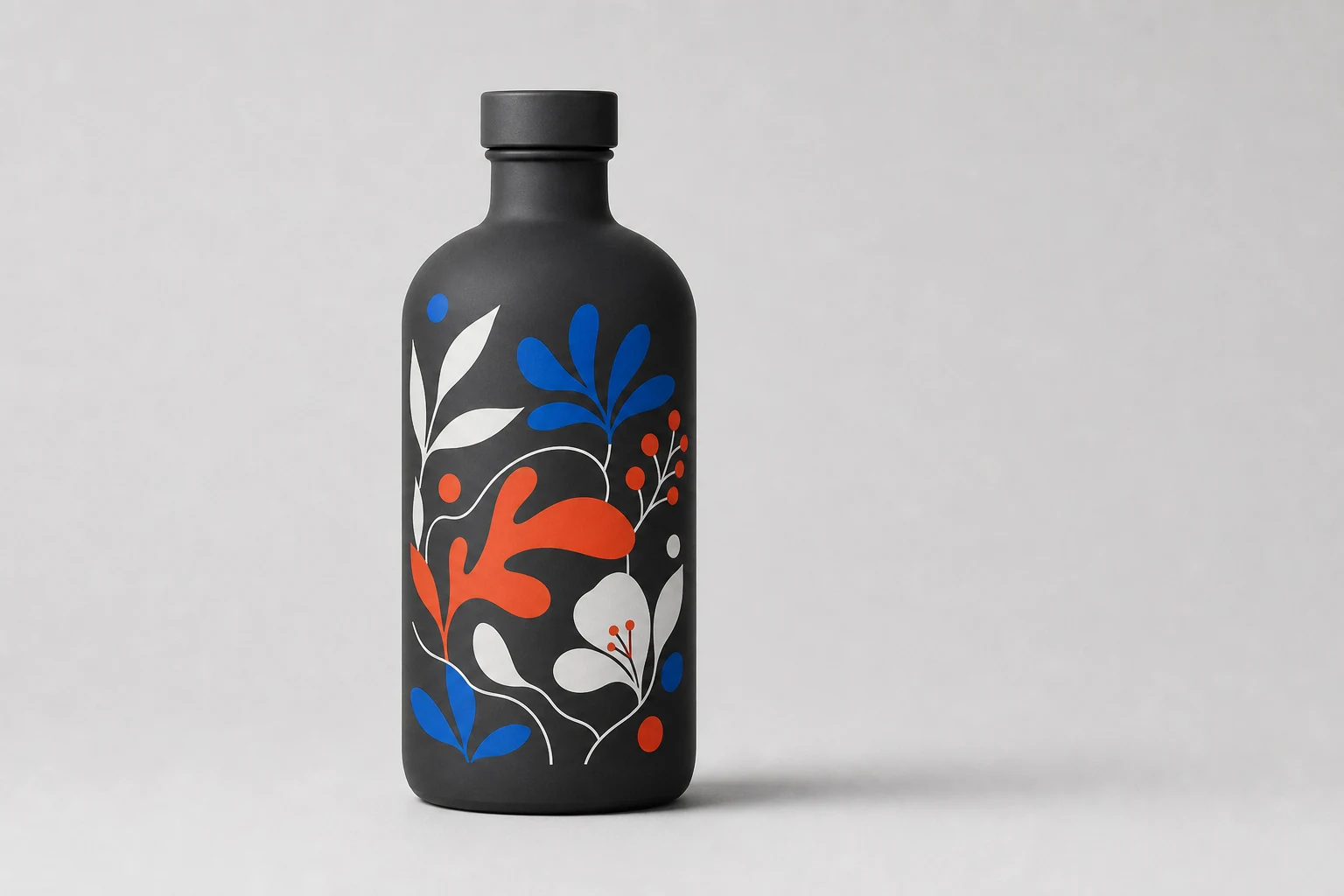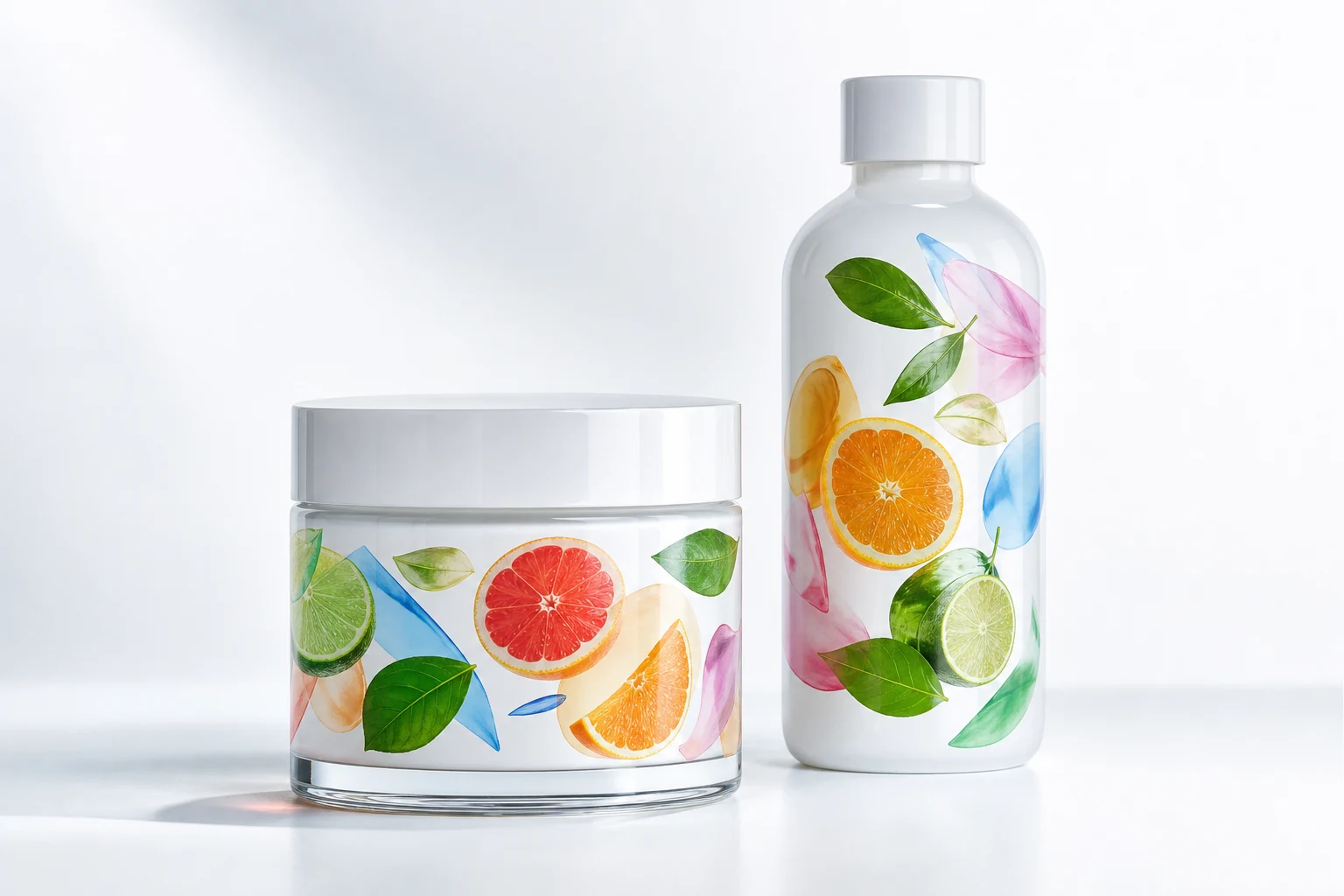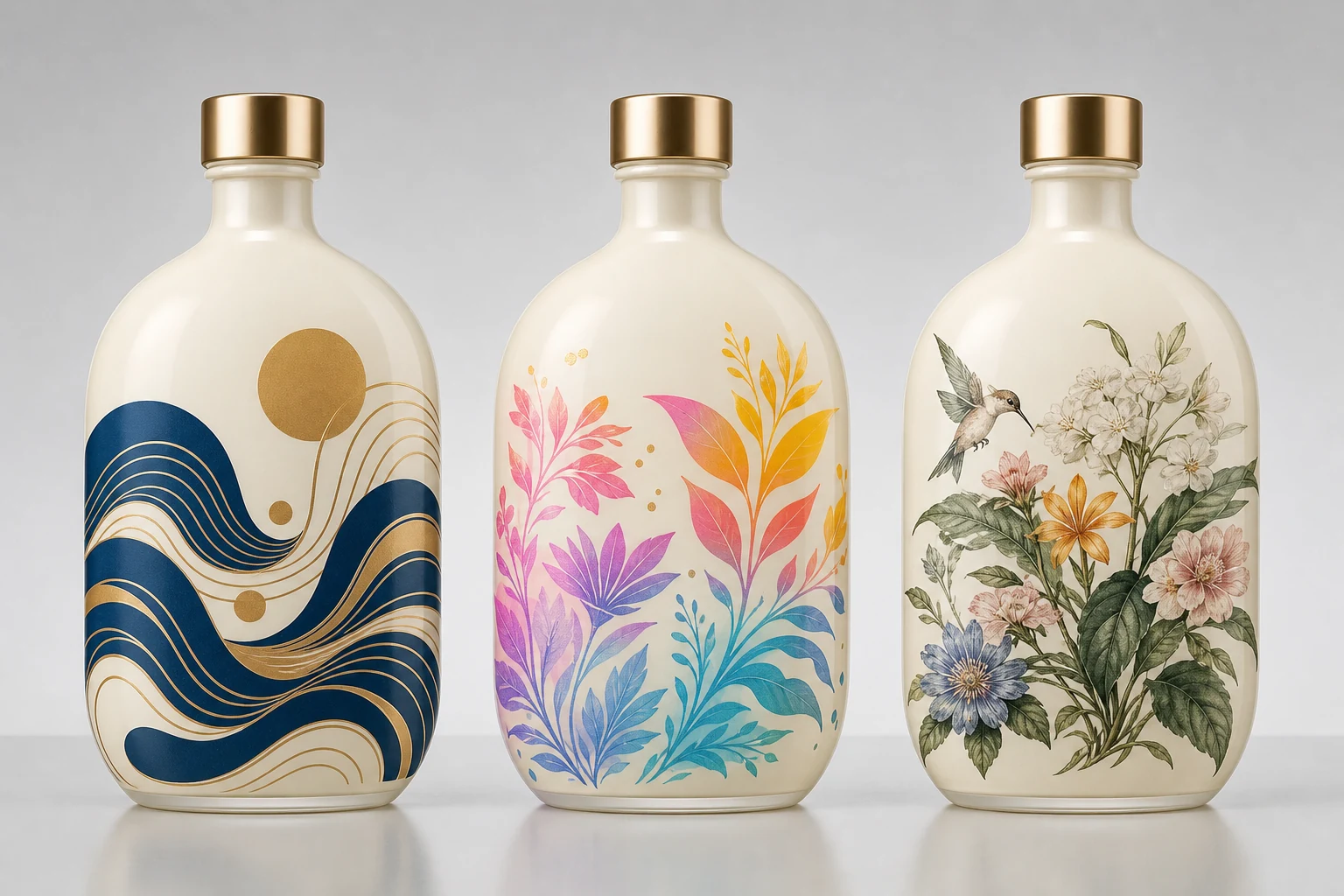
Use screen print for bold spot-color opacity, UV print for flexible full-color and variable artwork, and powder print for highly detailed photographic decoration, then qualify the selected method on the actual surface and geometry.
Direct printing is not one technology with three quality levels. Screen, UV, and high-detail powder print solve different artwork and production problems. Start with the image behavior you need, then evaluate cost and capacity within that qualified method.
Comparison at a glance
| Requirement | Screen print | UV print | Powder print |
|---|---|---|---|
| Strong spot-color opacity | Excellent | Possible with white and managed builds | Project dependent |
| One to three colors | Natural fit | Possible but may add unnecessary complexity | Usually not the primary reason to select it |
| Gradients and many colors | Limited or specialized | Strong | Strong |
| Photographic detail | Specialized separations | Strong | Primary strength |
| Variable or serialized images | Limited | Strong | Confirm project capability |
| Floating open artwork | Excellent | Excellent with selective white | Excellent with deliberate masking |
| Setup logic | Screens and separations | Digital file and machine setup | Process-specific setup and qualification |
Choose screen print for graphic certainty
Screen print is compelling when the identity can be expressed through a few intentional spot colors. It supports opaque marks, clean vector shapes, metallic or specialty ink directions, and artwork that reveals the coating between elements.
Its constraints can improve the design. A three-color palette forces hierarchy and can make the result more recognizable than an undisciplined full-color image. The tradeoff is that every additional separation affects setup, registration, and production planning.
Choose UV print for digital flexibility
UV direct print supports CMYK imagery, gradients, white, and version changes without creating a screen for every color separation. It is useful for short product families, regional artwork, variable content, and graphics that mix photography with vector copy.
Industrial UV inkjet materials are available for direct-to-shape applications, but the ink, coating, and cure combination still requires validation. See Siegwerk's industrial inkjet example.
Choose powder print for high-detail visual storytelling
Powder print is intended for designs where exceptional detail and photorealistic decoration are central. It is most successful when the image is art-directed around the package, with isolated forms and soft transitions rather than a label-shaped photograph.
Because this is a production-specific capability, request samples that represent the intended substrate, finish, color, image density, and geometry. Approve the actual process output rather than relying on a general dpi claim.
Five questions usually reveal the answer
1. How many colors does the design truly need?
If the brand works in one to three opaque colors, screen print deserves the first evaluation. If the design needs a broad photographic gamut, start with a digital or high-detail process.
2. Does the surface need to show through?
All three methods can create floating elements, but the artwork and white strategy must preserve those openings. A flattened rectangular background defeats the main visual advantage of direct decoration.
3. Will the image change often?
Versioned copy, personalization, or serialized graphics favor digitally controlled output. Stable, repeated spot-color programs can favor screen print.
4. What does the geometry allow?
Straight cylindrical bodies are generally the most accommodating. Tapers, shoulders, embossed areas, oval sections, and tight transitions can reduce wrap or require a different process. The actual container must be tested.
5. What failure would matter most?
For a wet-use package, adhesion and abrasion may dominate. For a luxury cosmetic, color and visual registration may dominate. For connected packaging, code readability may be the non-negotiable criterion. Build the test plan around the use case.
Avoid false precision in early quotes
Do not compare methods using one generic unit price. The cost changes with container, quantity, coating, color count, image coverage, setup, white layers, inspection, packing, and schedule.
First reduce the field to one or two technically suitable methods. Then request comparable quotes using the same container, artwork, quantity, quality level, and scope.
Approval sequence
- Lock the container and qualified print area.
- Choose the powder background and physical color target.
- Preflight artwork for the candidate methods.
- Produce representative samples.
- Review four sides, not only the front.
- Test adhesion, abrasion, chemical exposure, and code function as needed.
- Approve a retained physical standard and documented production specification.